Summer 25% discount on all last year's bike models

The Ultimate Beginner’s Guide to Riding an ATV Safely

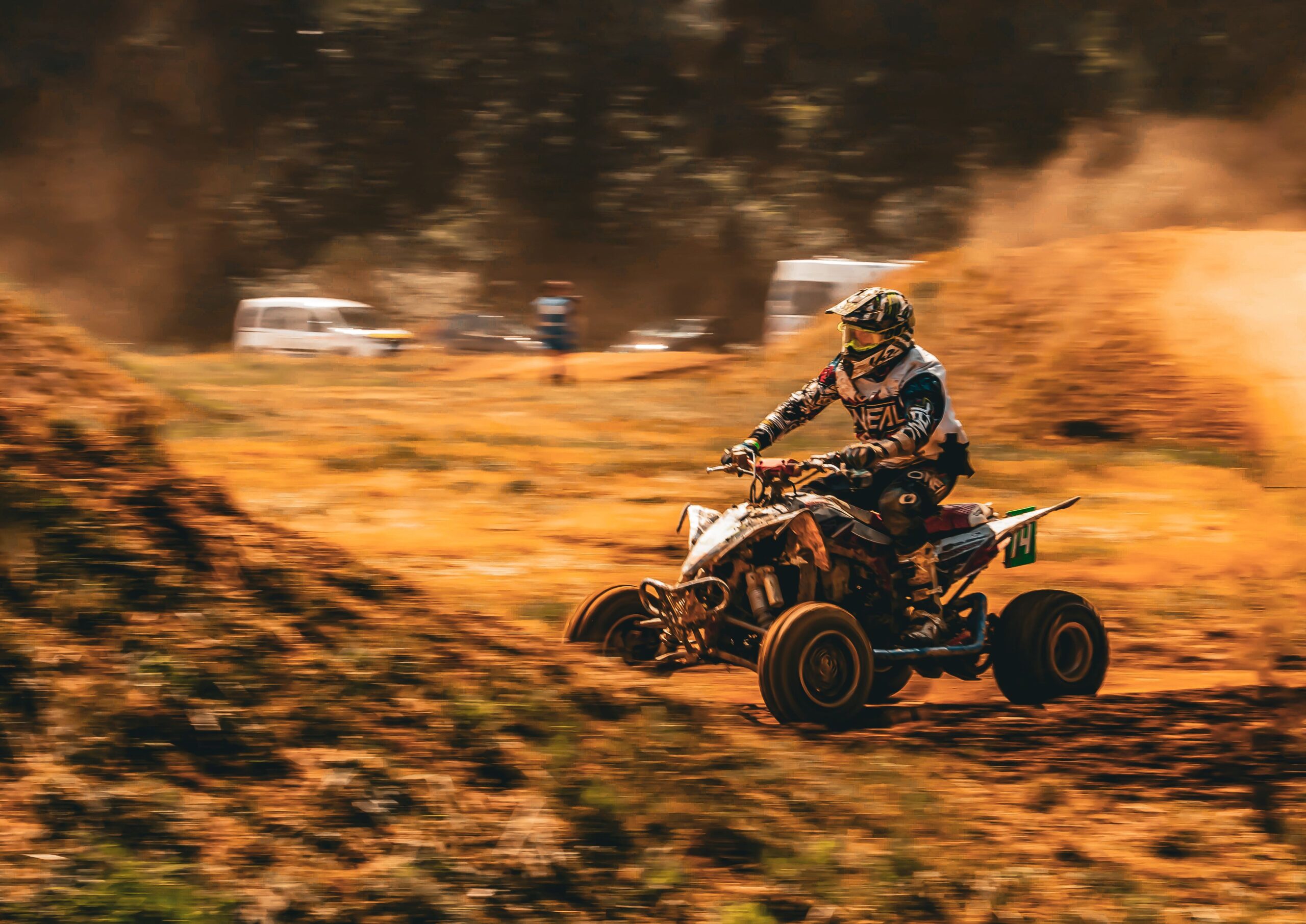
Few outdoor activities combine freedom, excitement, and exploration quite like riding an All-Terrain Vehicle (ATV). Whether you’re navigating forest trails, crossing open fields, climbing rocky terrain, or enjoying a weekend adventure with friends, an ATV opens the door to unforgettable experiences.
However, with that excitement comes responsibility. Riding safely not only protects you but also helps preserve trails, respect fellow riders, and extend the life of your vehicle. If you’re new to the world of ATVs, this guide covers everything you need to know before your first ride.
What Is an ATV?
An All-Terrain Vehicle (ATV), often called a quad or four-wheeler, is a motorized off-road vehicle designed to travel across a variety of terrains. Unlike standard road vehicles, ATVs feature large low-pressure tires, high ground clearance, and handlebars for steering, making them highly capable on uneven surfaces.
ATVs are commonly used for:
- Recreational trail riding
- Farm and ranch work
- Hunting and fishing trips
- Camping adventures
- Utility and property maintenance
- Competitive racing
Choosing the right ATV depends on how you plan to use it.
Choosing Your First ATV
Beginners often think bigger engines mean better performance. In reality, learning on a manageable ATV helps build confidence and improves control.
Consider these factors before purchasing:
Engine Size
Smaller engines are generally easier for beginners to handle, while larger engines are better suited to experienced riders.
Intended Use
Think about where you’ll ride most often:
- Forest trails
- Mud
- Sand
- Rocky terrain
- Utility work
Different tire patterns, suspension systems, and accessories are better suited for different environments.
Comfort
Look for a comfortable riding position, accessible controls, and a seat height that allows you to maintain balance when stopped.
Essential Safety Gear
Never ride without proper protective equipment.
Helmet
A certified off-road helmet is your most important piece of equipment. It protects against impacts and should fit snugly without pressure points.
Goggles
Dust, mud, insects, and flying debris can reduce visibility. Quality goggles improve both comfort and safety.
Gloves
Riding gloves improve grip while protecting your hands from vibration and abrasions.
Riding Boots
Boots with ankle protection provide stability and reduce the risk of injury when riding over rough terrain.
Protective Clothing
Long sleeves, riding pants, chest protectors, knee guards, and elbow guards add valuable protection during falls or unexpected obstacles.
Perform a Pre-Ride Inspection
Develop the habit of checking your ATV before every ride.
Inspect:
- Tire pressure
- Fuel level
- Engine oil
- Brakes
- Throttle response
- Lights
- Suspension
- Chain or drive components
- Battery condition
A five-minute inspection can prevent expensive repairs and improve safety.
Basic Riding Techniques
Learning proper technique makes riding more enjoyable and helps you stay in control.
Keep Your Eyes Ahead
Look where you want to go, not directly in front of the vehicle. This gives you more time to react.
Maintain Proper Body Position
Shift your body weight to help maintain balance.
- Lean forward when climbing hills.
- Shift back slightly during descents.
- Lean into turns while keeping your movements smooth.
Ride at a Comfortable Speed
Speed should always match your skill level and trail conditions. Wet ground, loose gravel, and steep inclines require slower speeds.
Use Smooth Controls
Avoid sudden acceleration, harsh braking, or abrupt steering inputs. Smooth movements improve traction and reduce fatigue.
Riding on Different Terrain
Every surface presents unique challenges.
Mud
Maintain steady momentum without excessive throttle. Avoid spinning the tires unnecessarily.
Sand
Reduce tire pressure if appropriate and maintain consistent speed to avoid getting stuck.
Rocky Trails
Ride slowly, choose your line carefully, and avoid striking large rocks with the underside of your ATV.
Hills
Always approach hills straight on. Avoid crossing steep slopes sideways whenever possible.
Common Beginner Mistakes
Many new riders make the same avoidable mistakes:
- Riding without a helmet
- Carrying passengers on a single-rider ATV
- Riding beyond their experience level
- Ignoring weather conditions
- Forgetting routine maintenance
- Riding while distracted
- Overloading the ATV
Building good habits early makes every ride safer.
Essential ATV Accessories
The right accessories improve safety and convenience.
Recommended essentials include:
- Winch
- Recovery strap
- Tire repair kit
- Portable air compressor
- LED light bar
- Storage box
- Tool kit
- GPS mount
- First-aid kit
- Water-resistant cargo bag
These items help prepare you for unexpected situations on the trail.
ATV Maintenance Basics
Routine maintenance keeps your ATV performing reliably.
Follow your owner’s manual for service intervals and regularly:
- Change engine oil
- Replace air filters
- Inspect brake pads
- Lubricate moving components
- Check wheel lug torque
- Clean mud from suspension and undercarriage
- Inspect tires for wear and damage
Proper maintenance not only improves performance but also extends the life of your investment.
Ride Responsibly
Respecting the environment and other riders is part of being a responsible ATV owner.
Always:
- Stay on designated trails
- Respect private property
- Reduce speed near others
- Leave no litter behind
- Follow local regulations
- Avoid disturbing wildlife
Responsible riding helps preserve trails for future generations.
Frequently Asked Questions
Is ATV riding difficult for beginners?
Not when you start with the proper equipment, choose an appropriate ATV, and practice in a safe environment.
Do I need special training?
Many regions offer ATV safety courses that teach proper riding techniques and emergency procedures. They’re highly recommended for new riders.
How often should I service my ATV?
Follow the maintenance schedule provided by the manufacturer and inspect your ATV before every ride.
What should I carry on every ride?
Water, a first-aid kit, a tire repair kit, basic tools, a charged phone or communication device, and emergency recovery equipment.
Final Thoughts
ATV riding offers an incredible way to explore the outdoors, challenge yourself, and enjoy unforgettable adventures. By wearing the proper protective gear, learning correct riding techniques, maintaining your ATV, and respecting the trails, you’ll create safer and more enjoyable experiences every time you ride.
Whether you’re preparing for your first adventure or upgrading your current setup, OffRoad Powersports Hub offers a wide selection of quality riding gear, accessories, maintenance products, and off-road essentials to help you ride with confidence.